Our Vision
CAST sets out to enhance research capabilities, promote knowledge exchange, and facilitate the sharing of resources and expertise between AAD, CSIRO and UTAS.
The Centre fulfils an important priority in the Australian Antarctic Strategy and 20-Year Action Plan, to advance Australia’s interests in Antarctica by building Tasmania’s and Hobart’s status as a global Antarctic and Southern Ocean hub.
CSIRO
The Commonwealth Scientific and Industrial Research Organisation (CSIRO) plays a significant role in Antarctic and Southern Ocean technologies. CSIRO engages in the development of innovative technologies for Antarctic and Southern Ocean research. This includes the design and deployment of specialised instruments, sensors, and autonomous platforms that can withstand extreme conditions and collect data in challenging environments. Examples of such technologies include underwater gliders, moorings, robotic systems, and advanced sampling devices.
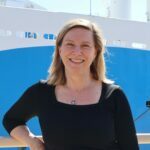
Helen Phillips
(UTAS)
Professor Helen Phillips is the interim co-Executive Director at the Institute of Marine and Antarctic Studies, University of Tasmania, where she has responsibility for improving understanding of temperate marine, Southern Ocean and Antarctic environments, their resources, and their roles in the global climate system through research, education and outreach. Helen is a Professor of Physical Oceanography focusing on how small-scale ocean features like eddies and waves impact large-scale currents, how warmer water reaches and melts Antarctic ice, and dynamics of the Antarctic Circumpolar Current.
UTAS held the chair of the CAST Committee in 2025.
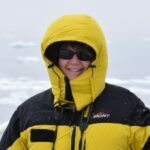
Rhonda Bartley
(AAD)
Rhonda Bartley is the Branch Head of the Chief Scientist Branch at the Australian Antarctic Division. The Chief Scientist Branch build comprehensive knowledge of East Antarctica and its ecosystems to inform our Antarctic stewardship and enhance our understanding of climate change. Their work is underpinned by the Australian Antarctic Science Strategic Plan. The Chief Scientist Branch lead on Australia’s three key science objectives in Antarctica: climate science; marine science; and conservation of Antarctic wildlife and environmental stewardship.
AAD held the chair of the CAST Committee in 2024.
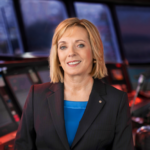
Toni Moate
(CSIRO)
Toni Moate is CSIRO’s Director, National Collections and Marine Infrastructure, which includes the Marine National Facility, Engineering & Technology, Atlas of Living Australia, and National Research Collections Australia. As the Director, National Collections and Marine Infrastructure, Toni is responsible for ensuring CSIRO’s national collections and marine infrastructure are effectively positioned, managed and utilised for long term financial sustainability and support science delivery in the national interest. In 2015 Toni was awarded the Public Service Medal for outstanding public service in Australian marine and atmospheric science, as part of the Queen’s Birthday Honours List. This was followed in 2017 when Toni was awarded the Tasmanian Telstra Business Woman of the Year.
Toni is the current chair of the CAST Committee (previously chair of the CAST Committee in 2023).
Other CAST Committee Chairs
-
Terry Bailey (UTAS), 2021-2022
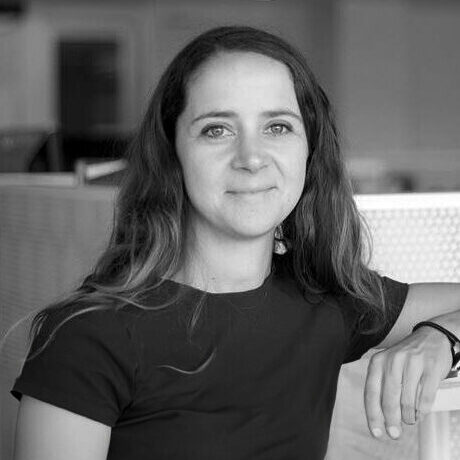
Delphine Lannuzel
Delphine Lannuzel is a Professor at the Institute for Marine and Antarctic Studies (IMAS). Delphine is known for her expertise in polar marine chemistry, biogeochemical cycles, and the impacts of climate change on polar environments.
Delphine leads CAST Program 1.
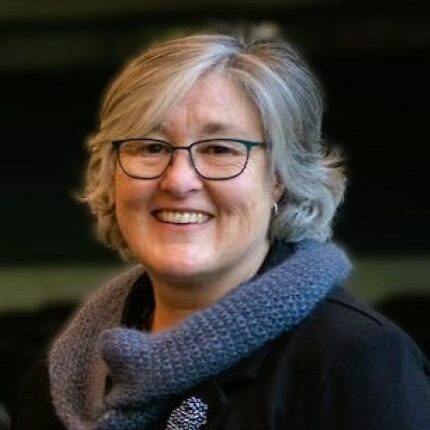
Leesa Borojevic
Leesa Borojevic is the Associate Director of Business Management within the Assets and Technology Branch at AAD. She has over 25 years’ experience in science and technology fields, including teaching and research, operational management of science facilities and business management. She values and promotes the intersection of people skills, knowledge sharing and technological capabilities to enhance collaboration and innovation.
Leesa leads CAST Program 2.
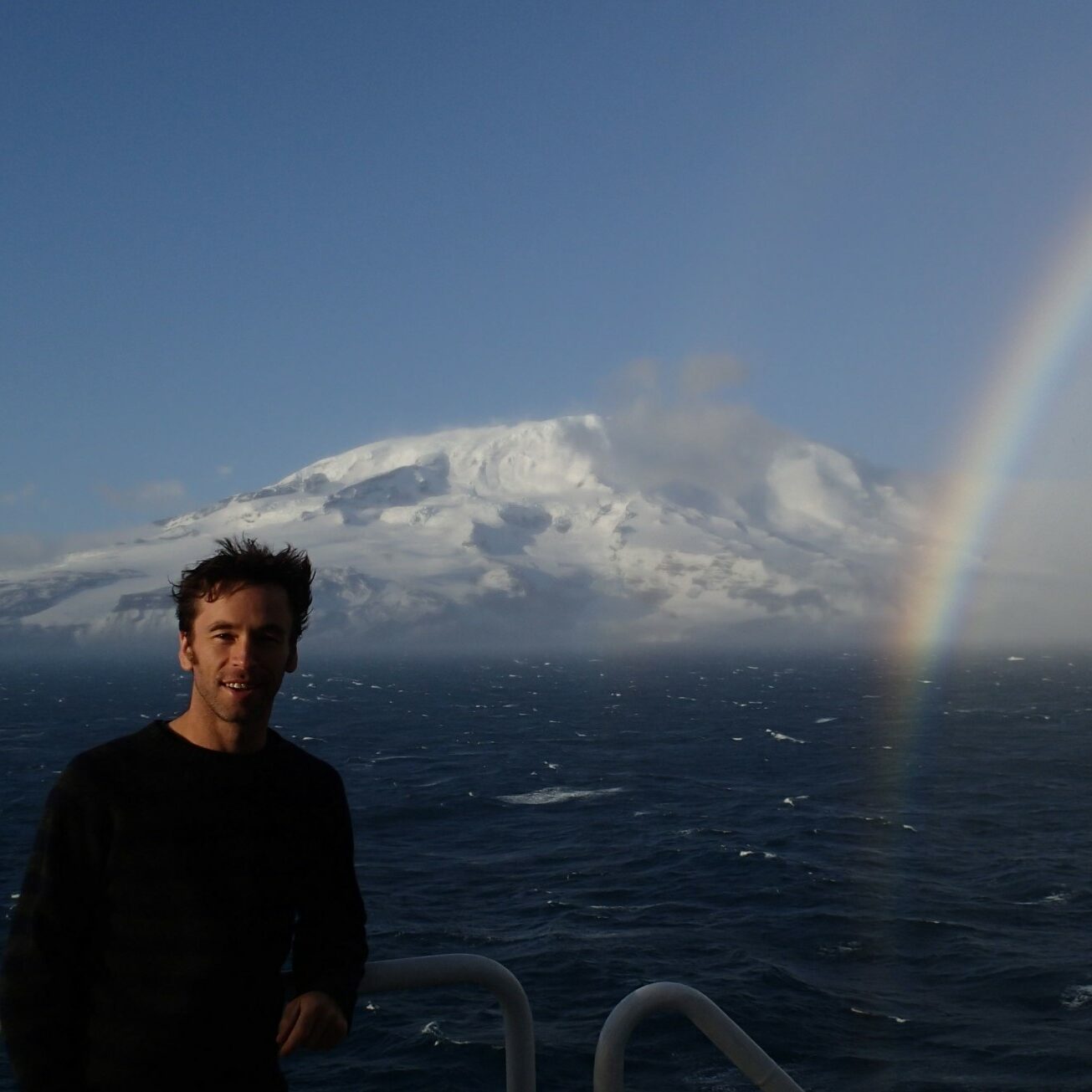
Brett Muir
Brett Muir is the Research Group Leader of the Instrumentation and Electronics Group within the Engineering and Technology Program at CSIRO. He has a keen interest in development of reliable and versatile electronic systems, and integration of commercial scientific instruments with consumer electronics and in-house engineering to form novel scientific research systems.
Brett leads CAST Program 3.
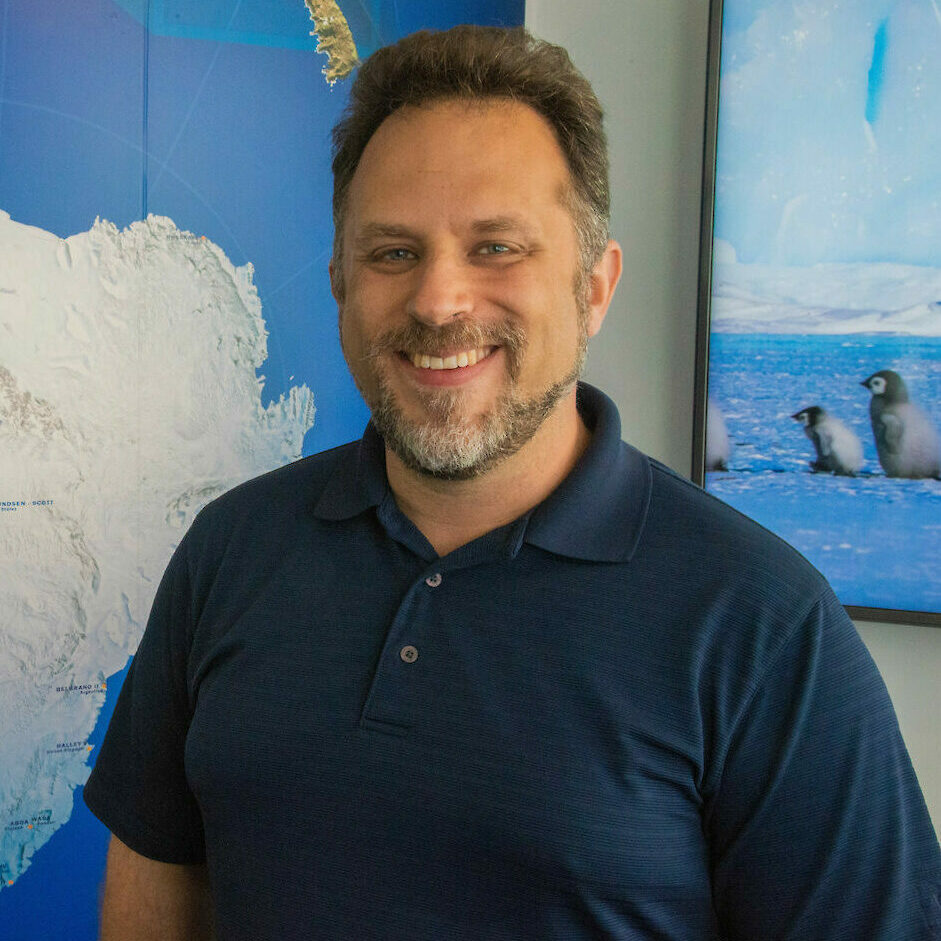
Johnathan Kool
Johnathan Kool is the Director of the Australian Antarctic Data Centre (AADC). Johnathan has continuously worked at the interface of science and information technology. He has a scientific background in marine biology and oceanography, as well as technical experience working with high-performance computing systems and large-scale data delivery.
Johnathan leads CAST Program 4.